Self-Tapping Screws
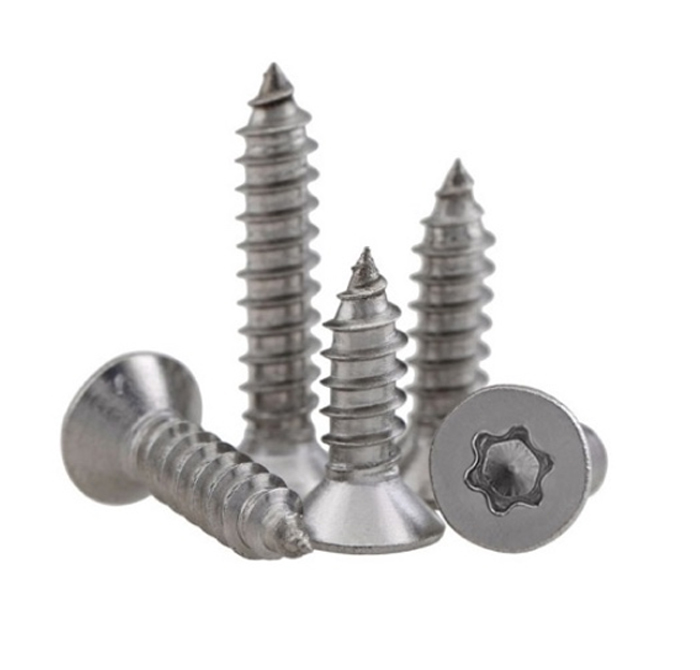
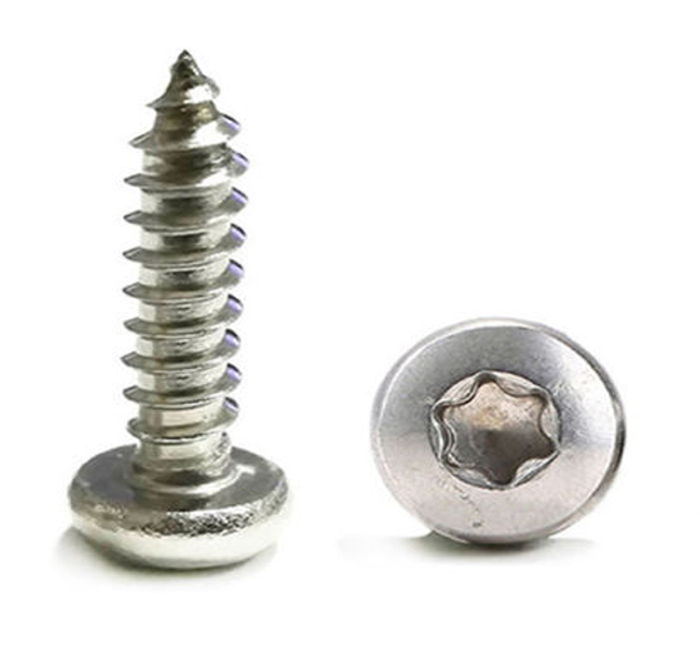
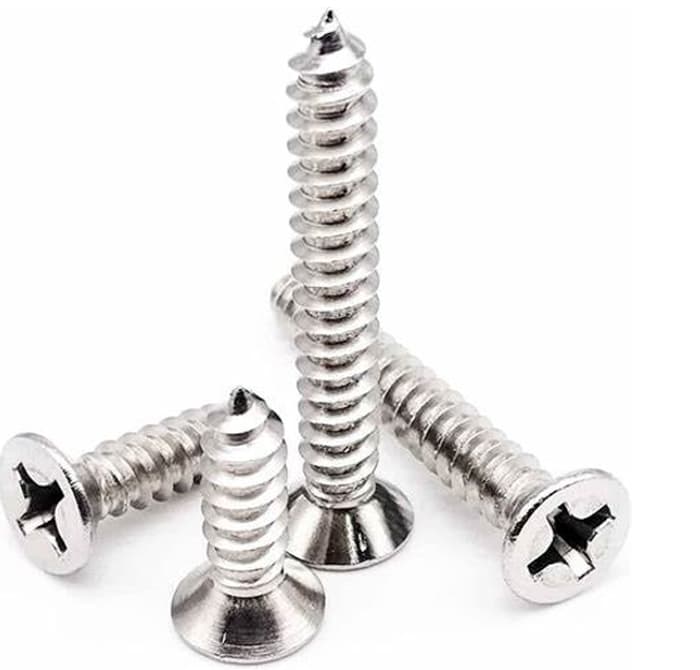
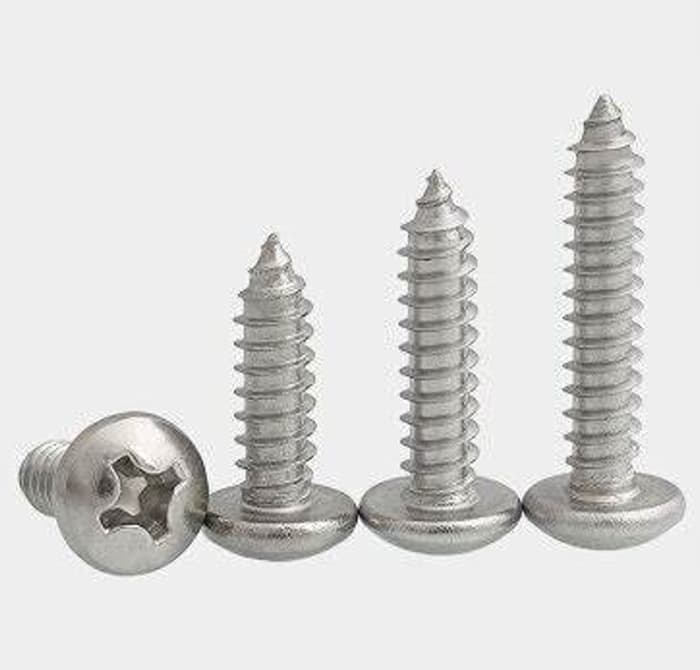
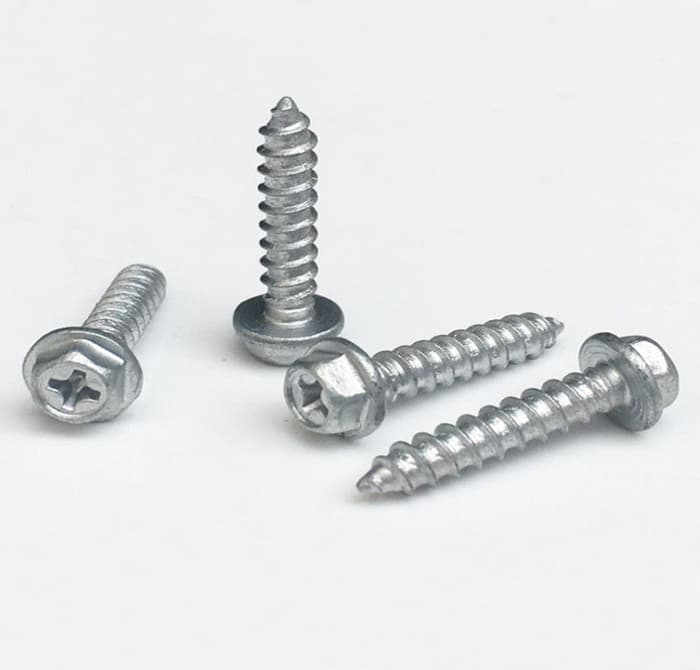
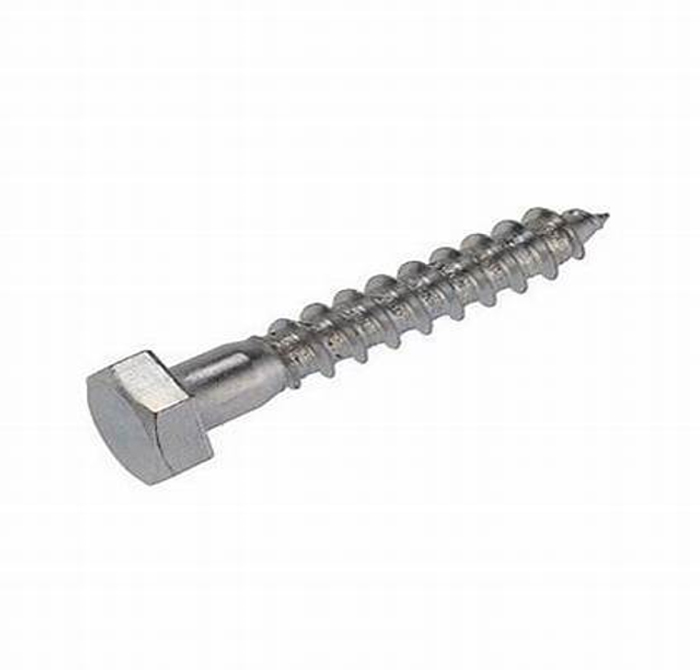
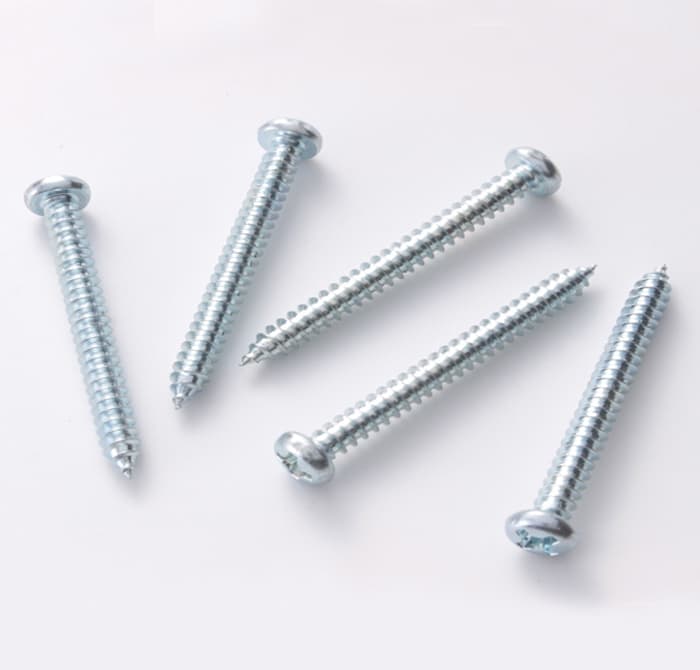
Self-tapping screws combine drilling and tapping functions into a single fastener. Their unique point and thread design allow them to penetrate material surfaces while simultaneously forming mating threads, providing secure fastening without requiring pre-tapped holes. These screws are widely used in sheet metal, woodworking, plastic products, and soft metals, enabling fast and efficient fixing without preliminary tapping.
Flat point self-tapping screws feature a blunt or squared end, primarily used in softer materials such as sheet metal, plastics, or wood. During installation, applied torque cuts threads into the substrate, making them ideal for applications requiring protection of the mating surface.
Designed with a needle-like point, sharp point screws easily pierce wood, thin sheet metal, or molded plastics. Commonly used in woodworking, furniture assembly, and interior decoration engineering, they quickly penetrate materials to form internal threads.
Also known as TEK screws or self-drilling screws, their specialized drill bit tip enables self-drilling and self-tapping in a single operation. Frequently used with high-speed power tools in structural steel construction, drywall framing, and metal framing.
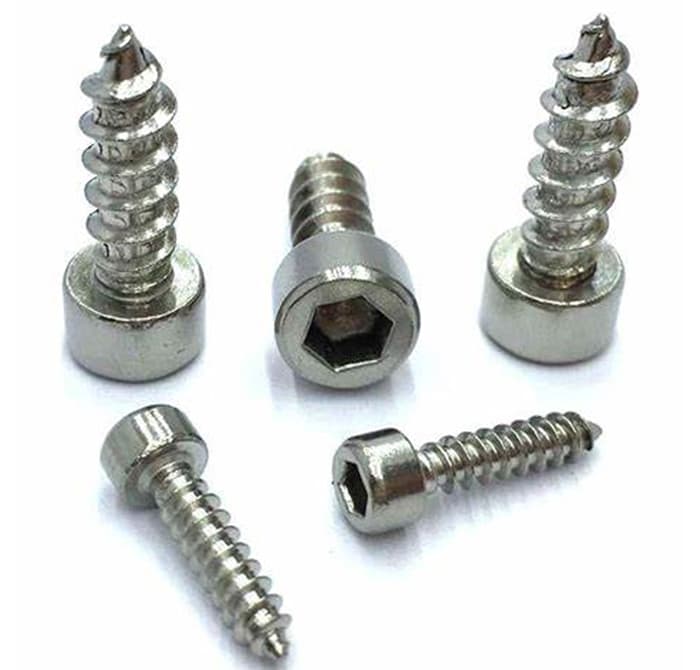
Featuring a cutting slot or notch at the tip, notched point screws help rapidly clear cutting chips during installation, reducing friction and enhancing joint reliability. Primarily used for precision assembly in plastics and thin-gauge materials.
Self-tapping screws are available in a wide variety of specifications, including various lengths, diameters, thread profiles, and material choices (such as carbon steel, stainless steel, aluminum, etc.) to meet diverse application requirements. Additionally, they can be paired with various anti-rust and corrosion-resistant surface treatments (such as sealing, nickel plating, baking paint, etc.) to significantly enhance durability under different environmental conditions. Shandi's product advantages include high reusability and customized design recommendations tailored to specific application environments, improving overall assembly efficiency.